Freestanding Awnings: A Stylish and Functional Solution for Outdoor Comfort
Freestanding awnings have gained popularity among homeowners and business owners alike for their unique combination of style, flexibility, and functionality. Unlike traditional awnings, which must be mounted to a building, freestanding awnings are self-supporting structures that can be placed anywhere in an outdoor space. These versatile awnings create shade and protection from the elements in a wide range of environments, making them ideal for gardens, patios, pool areas, and even commercial settings. In this article, we’ll explore the benefits, types, and practical applications of freestanding awnings.
What Are Freestanding Awnings?
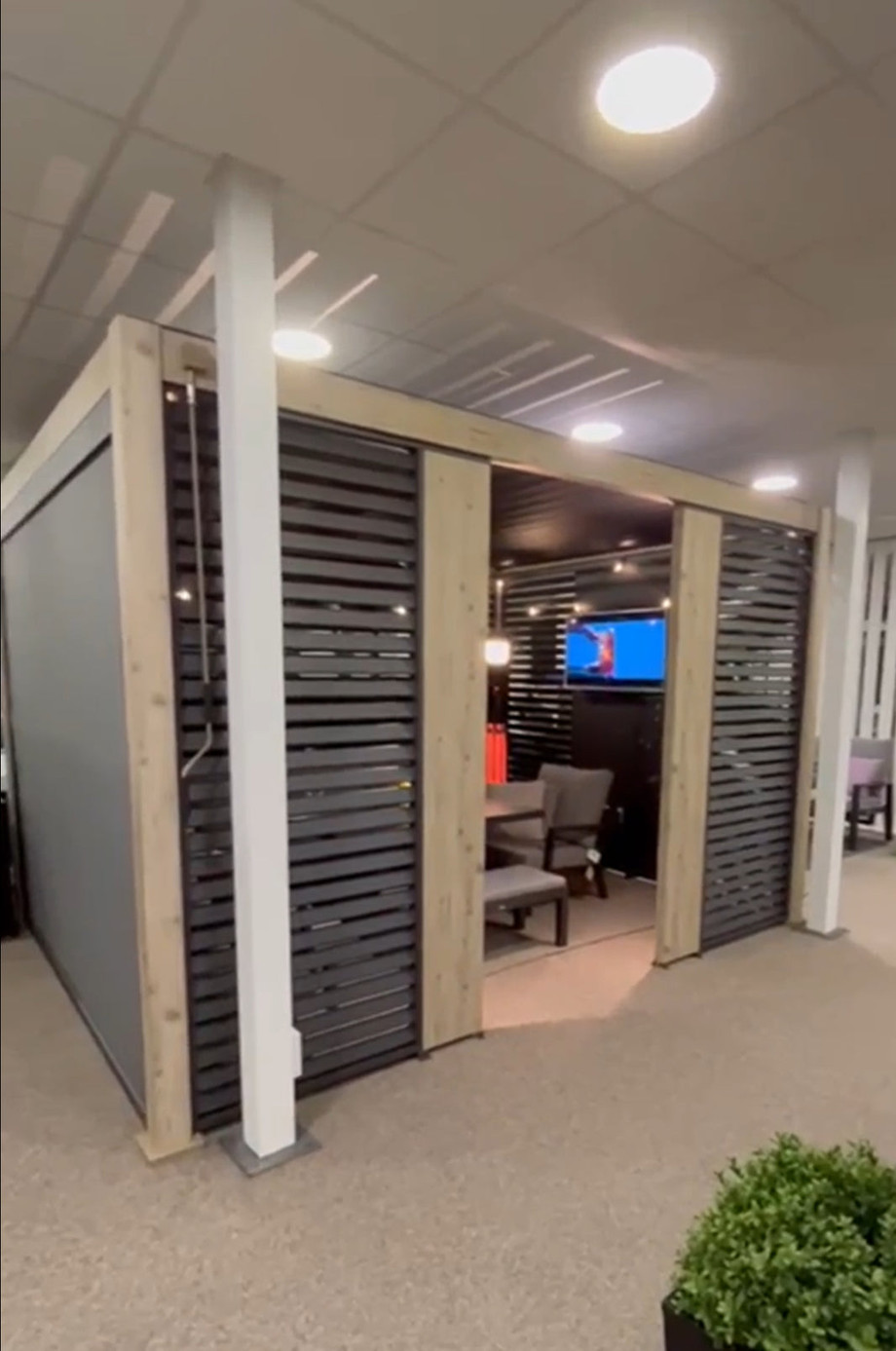
Freestanding awnings are shading structures supported by a sturdy framework that doesn’t rely on an adjacent wall or building for support. Often constructed from materials like aluminum, steel, or high-strength polymers, they offer durability and resilience against outdoor weather. The canopy, which is typically made from weather-resistant, UV-blocking fabrics, stretches across the frame to provide shade and shelter from sun and rain.
Key Benefits of Freestanding Awnings
The main appeal of freestanding awnings lies in their flexibility and ease of use. Here are some of their primary advantages:
Enhanced Flexibility: One of the standout features of freestanding awnings is their mobility. Unlike fixed awnings attached to walls, freestanding models can be positioned anywhere, allowing you to create shaded spaces exactly where you need them. This makes them an ideal choice for various outdoor activities and gatherings.
Versatile Design Options: Freestanding awnings come in a wide range of sizes, shapes, and designs, allowing you to choose a style that complements your outdoor decor. Whether you prefer a sleek, modern look or a classic design, there is an awning to match your aesthetic.
Increased Usability of Outdoor Spaces: With a freestanding awning, outdoor areas become more usable and enjoyable. Whether you want to relax by the pool, dine on the patio, or create a comfortable garden lounge, a freestanding awning offers the shade and protection you need to stay cool and comfortable.
Weather Protection: High-quality awning fabrics are designed to block UV rays and withstand rain, offering protection from the elements. This makes outdoor spaces enjoyable even in unpredictable weather, adding versatility to any backyard or commercial setting.
Easy Installation and Maintenance: Most freestanding awnings are relatively easy to set up, and many models are portable. Maintenance is also minimal, as the materials used are often resistant to fading, rust, and general wear and tear.
Types of Freestanding Awnings
Freestanding awnings are available in different designs to suit various needs and preferences. Here are some common types:
Retractable Freestanding Awnings: These awnings feature a retractable canopy that can be extended or retracted as desired. This adjustability allows you to control the amount of shade and sunlight, making them perfect for spaces where flexibility is key. Retractable awnings are often operated with a manual crank or motorized system for ease of use.
Fixed Freestanding Awnings: Fixed models provide a permanent shade solution, making them ideal for outdoor dining areas, lounges, and commercial spaces that require consistent weather protection. They tend to be more robust than retractable models and are designed to withstand various weather conditions.
Cantilever Awnings: These unique freestanding structures feature a single-sided support frame, allowing the canopy to extend over a seating area without obstruction. Cantilever awnings are particularly popular for poolside lounges or patios where an open, unobstructed view is desirable.
Canopy and Pergola-Style Awnings: Freestanding awnings designed like canopies or pergolas offer a classic aesthetic appeal. While they provide ample shade, some also include adjustable louvers or slats that allow for a balance of sunlight and shade. Pergola-style awnings are perfect for creating a more architectural, garden-inspired look.
Ideal Uses for Freestanding Awnings
Freestanding awnings are incredibly versatile and can enhance a variety of outdoor spaces. Here are some practical applications:
Poolside Lounges: Freestanding awnings are perfect for pool areas, providing a shaded spot for relaxation without obstructing the view. Their portability allows them to be placed precisely where shade is most needed, making them an ideal addition for sunbathers and poolside gatherings.
Outdoor Dining Spaces: These awnings are excellent for patios and backyard dining areas, creating a comfortable, shaded environment for meals and gatherings. By choosing a design that complements your patio furniture, a freestanding awning can help create a cohesive and inviting outdoor dining area.
Garden and Lounge Areas: Freestanding awnings can be used to create cozy garden nooks or outdoor lounges, offering a shaded retreat for reading, socializing, or enjoying nature. For a more decorative look, pergola-style awnings add architectural interest and blend well with garden landscapes.
Commercial Use: Restaurants, cafes, and other businesses often use freestanding awnings to provide outdoor seating for customers. These awnings not only offer protection from the sun and rain but also enhance the curb appeal of the establishment.
Choosing the Right Freestanding Awning
When selecting a freestanding awning, consider factors like size, material, and adjustability. Here are some points to keep in mind:
Size and Coverage: Ensure that the awning provides adequate coverage for your intended space. Measure the area carefully to determine the appropriate size for your needs.
Material and Durability: Look for frames made from rust-resistant materials like powder-coated aluminum or galvanized steel, which can withstand outdoor conditions. For the canopy, UV-resistant and waterproof fabrics are essential for longevity and protection.
Adjustability and Portability: If you prefer a flexible shade solution, opt for retractable or adjustable-louver models. Portability is also a plus for those who want to move the awning to different locations.
Aesthetic Appeal: Select a design that complements your existing decor. With a wide range of colors and styles available, you can find an awning that matches your aesthetic vision.
Maintenance Tips for Freestanding Awnings
To prolong the life of your freestanding awning, follow these simple maintenance tips:
Regular Cleaning: Clean the canopy with mild soap and water to remove dirt and stains. Avoid harsh chemicals, as they may damage the fabric’s protective coating.
Check for Wear: Periodically inspect the frame and fabric for signs of wear or damage. Lubricate any moving parts to keep retractable models operating smoothly.
Protect During Extreme Weather: During storms or extreme weather, it’s best to retract or disassemble portable models to avoid damage. For fixed awnings, consider investing in a protective cover.
Conclusion
Freestanding awnings are a versatile, stylish, and functional solution for anyone looking to enhance their outdoor spaces. With their adaptability, aesthetic appeal, and ease of installation, these awnings transform patios, gardens, and pool areas into comfortable and inviting retreats. Whether you’re a homeowner looking to expand your outdoor living space or a business owner aiming to create a pleasant customer experience, freestanding awnings are an excellent investment that adds value, comfort, and style to any setting.
For More Info:-


Comments
Post a Comment